
Why Do Cats Purr? The Science & Meaning Behind Your Cat's Soothing Sound
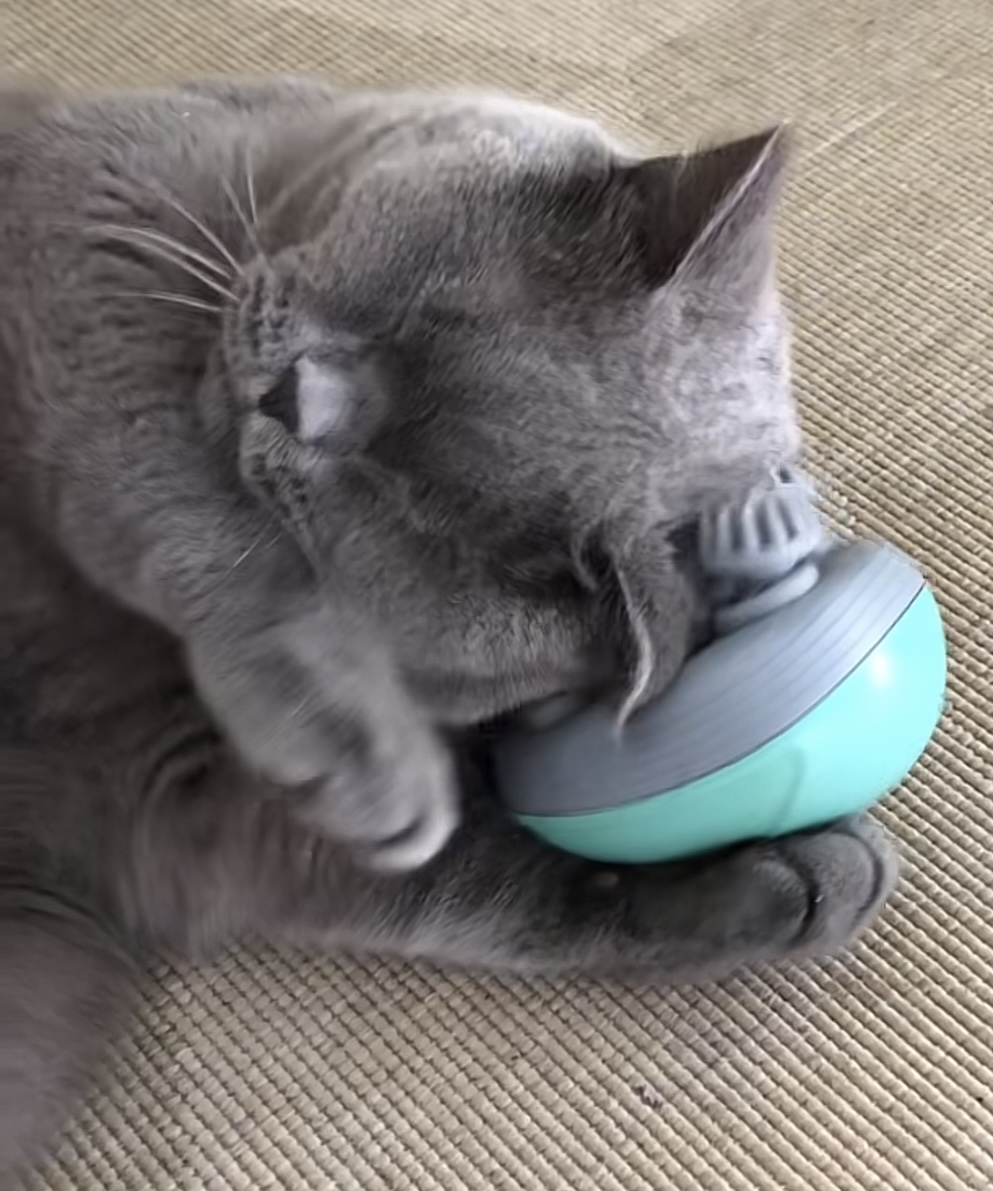
That soft, rumbling sound your cat makes is one of the most recognizable and comforting sounds in the animal kingdom. But have you ever wondered why cats purr? While most of us assume it simply means our feline friend is happy, the truth is far more fascinating—and the benefits extend well beyond your cat.
In this comprehensive guide, we'll explore the science behind cat purring, decode what different purrs mean, and reveal the surprising health benefits that a purring cat can offer to humans.
How Do Cats Physically Purr?
For years, scientists debated exactly how cats produce their distinctive purring sound. We now understand that purring originates in the larynx (voice box), where rapid muscle movements open and close the glottis—the part of the larynx that surrounds the vocal cords.
🔬 The Science of Purring
When a cat purrs, signals from the brain cause the laryngeal muscles to twitch 25-150 times per second. This creates vibrations during both inhalation and exhalation, which is why purring sounds continuous. The frequency typically ranges between 25-150 Hertz—a range that has been scientifically shown to promote healing.
Unlike meowing, which only occurs during exhalation, cats can purr while breathing in and out. This allows them to maintain a continuous purr for extended periods without pause—something that's uniquely soothing for both cats and their owners.
7 Reasons Why Cats Purr
While happiness is the most common association with purring, cats actually purr for a variety of reasons. Understanding these can help you better interpret your cat's needs and emotions.
1. Contentment and Relaxation
The most well-known reason cats purr is to express contentment. When your cat curls up on your lap, closes their eyes, and starts purring, they're telling you they feel safe, comfortable, and happy. This relaxed purring is often accompanied by slow blinking and a loose, comfortable body posture.
2. Communication with Kittens
Purring begins in the earliest days of life. Kittens can purr as young as two days old, and they use this vocalization to communicate with their mother during nursing. Mother cats also purr to guide their kittens (who are born blind and deaf) toward them for feeding and warmth.
3. Solicitation and Requests
Cats have developed a special "solicitation purr" when they want something from their humans—usually food. Research from the University of Sussex found these purrs contain a higher-frequency element similar to a baby's cry, which triggers our nurturing instincts and makes them harder to ignore.
4. Self-Soothing and Anxiety Relief
Cats also purr when they're anxious, stressed, or unwell. This may seem counterintuitive, but purring acts as a self-soothing mechanism—similar to how humans might hum or rock themselves when distressed. The vibrations help cats calm down and regulate their breathing.
5. Pain Management
When cats are injured or in pain, they often purr. Scientists believe the vibrations stimulate the release of endorphins—the body's natural painkillers. This helps explain why cats sometimes purr in veterinary offices or after surgery.
6. Healing and Recovery
The frequency range of purring (25-150 Hz) has been shown to promote bone density, accelerate healing, and reduce inflammation. This may explain the veterinary saying that "if you put a cat and a bunch of broken bones in the same room, the bones will heal." Cats seem to have evolved an internal healing mechanism.
7. Bonding and Social Connection
Purring serves as a social bonding tool. Cats often purr when greeting family members (human or feline), during grooming sessions, or when seeking physical affection. It's their way of saying "I trust you" and strengthening your relationship.
💜 Amplify Your Cat's Relaxation
Want to help your cat reach peak contentment? Our electric cat massager mimics the soothing vibrations cats love, promoting deeper purrs and stronger bonding moments.
Discover the Purrfect Paws™ Massager →Types of Cat Purrs & What They Mean
Not all purrs are created equal. Learning to distinguish between different types can help you understand exactly what your cat is communicating.
😊 The Contentment Purr
Sound: Low, steady, rhythmic rumble
Body Language: Relaxed posture, half-closed eyes, slow blinking
Meaning: Your cat is happy, comfortable, and at ease
🍽️ The Solicitation Purr
Sound: Higher-pitched with an urgent quality
Body Language: Following you, making eye contact, possibly meowing too
Meaning: Your cat wants something—usually food or attention
😰 The Anxious Purr
Sound: May be lower or irregular
Body Language: Ears back, tense body, dilated pupils, hiding
Meaning: Your cat is trying to self-soothe during stress
👋 The Greeting Purr
Sound: Short burst of purring, often with a trill
Body Language: Tail up, approaching you, rubbing against legs
Meaning: Your cat is happy to see you and saying hello
Health Benefits of Cat Purring for Humans
Here's where things get really interesting. The benefits of cat purring extend well beyond your feline friend—spending time with a purring cat can actually improve your health.
Stress and Anxiety Reduction
The rhythmic sound and vibration of a cat's purr has a calming effect on the human nervous system. Studies show that petting a purring cat triggers the release of oxytocin (the "love hormone") while reducing cortisol (the stress hormone). Many people find the effect similar to meditation.
Lower Blood Pressure and Heart Health
Research published in the Journal of Vascular and Interventional Neurology found that cat owners have a 40% lower risk of heart attack than non-cat owners. The stress-reducing effects of a purring cat may contribute to lower blood pressure and better cardiovascular health overall.
Potential Healing Properties
The 25-150 Hz frequency range of cat purrs has been studied for its potential therapeutic effects. These vibrations are known to promote bone density, reduce inflammation, and accelerate tissue healing. Some researchers have even explored using similar frequencies in human physical therapy.
🩺 What the Research Says
"The low-frequency vibrations of a cat's purring are often used in sound therapy, a form of vibrational healing that applies specific frequencies to the body. These vibrations can help reduce inflammation, improve circulation, and stimulate the healing of damaged tissues." — Inspira Health Medical Center
Improved Sleep Quality
Many cat owners report sleeping better with a purring cat nearby. The soft, rhythmic sound acts as white noise, blocking out disruptive sounds and helping the brain relax into sleep. If you struggle with insomnia, a purring cat might be nature's sleep aid.
Emotional Support and Reduced Loneliness
A purring cat provides consistent companionship that can help combat loneliness and depression. The predictable, comforting nature of a cat's purr creates feelings of security and emotional connection—particularly valuable for people living alone.
🐱 Create More Purring Moments
The more relaxed your cat feels, the more they purr—and the more benefits you both receive. Our gentle vibrating massager helps cats reach a state of deep relaxation that promotes longer, louder purrs.
Shop the Cat Massager →How to Encourage Your Cat to Purr More
Want to experience more of those magical purring moments? Here are proven ways to help your cat feel relaxed and content:
Create a Safe, Calm Environment
Cats purr most when they feel secure. Provide hiding spots, elevated perches, and quiet areas where your cat can retreat. Minimize loud noises and sudden changes that might cause stress.
Establish Consistent Routines
Cats thrive on predictability. Regular feeding times, play sessions, and quiet time help your cat feel secure and more likely to relax into contented purring.
Offer Gentle Physical Touch
Most cats love being petted in their favorite spots—often the cheeks, chin, and base of the ears. Pay attention to your cat's preferences and respect their boundaries. Forced interaction can have the opposite effect.
Try Massage and Grooming
Gentle massage mimics the grooming behavior cats share with bonded companions. Using a soft brush or a specialized cat massager can trigger the same relaxation response that leads to deep, contented purring.
Spend Quality Time Together
Simply being present with your cat—reading, watching TV, or working while they lounge nearby—builds trust and encourages purring. Cats often purr more around people they've bonded with over time.
When to Be Concerned About Purring
While purring is usually positive, excessive or unusual purring can sometimes indicate a problem. Contact your veterinarian if:
- Your cat purrs constantly, even when showing signs of distress
- Purring is accompanied by lethargy, loss of appetite, or hiding
- Your cat's purr sounds different (raspy, labored, or painful)
- Purring occurs alongside other concerning symptoms like weight loss or vomiting
Context is key—a relaxed cat purring on your lap is very different from a cat purring while crouched in a corner with flattened ears.
Final Thoughts: The Purrfect Relationship
Your cat's purr is more than just a pleasant sound—it's a sophisticated form of communication, a self-healing mechanism, and potentially a source of health benefits for you too. By understanding why cats purr and creating an environment that encourages contentment, you can deepen your bond and enjoy more of those magical purring moments together.
Whether your cat purrs to say "I love you," "feed me," or simply "life is good," that gentle rumble represents millions of years of evolution—and a relationship between humans and cats that benefits us both.
💕 Strengthen Your Bond Today
Experience the joy of a deeply relaxed, purring cat. Our Purrfect Paws™ Electric Massager helps cats unwind while creating unforgettable bonding moments.
Get Your Cat Massager – 30-Day Guarantee →